FantasticML
Can AI make discoveries in machine learning?
48 research questions, the most significant and most actively pursued of each field in 2026. Every task is expert-verified: built and checked by experienced researchers of that field.
TasksResultsLeaderboardGitHubsoonarXivsoonDiscordsoon
The film: all 48 tasks in one minute.
48 open research questions
Every picture is a task. Open one to read its question, the methods published on it and how the agents' methods compare.
Language models11 tasks
 Model MergingFusing specialists of one parent into one model that keeps each skill and the parent's knowledge.
 Training–Inference MismatchCorrecting the policy gradient so RL stays stable when the sampler and the trainer disagree.
 Multi-Teacher DistillationDistilling several specialist teachers into one student: how to route and combine their signals?
 Hybrid ArchitecturesWhich layers should remember every token exactly, and which compress, under a fixed memory budget?
 Training on Repeated DataTraining a mixture-of-experts model on text seen many times, so it learns rather than memorises.
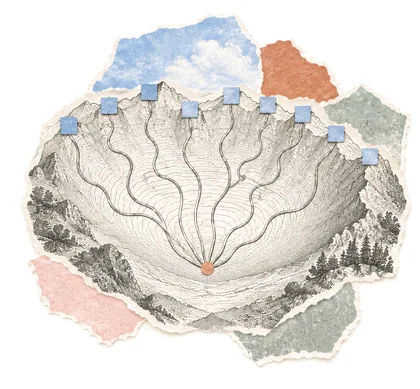 MoE OptimizersWhich optimizer trains a mixture-of-experts model furthest on the same compute, at every size?
 Looped Language ModelsGetting more out of a model by running its layers again in a loop, at the same size.
 Linear AttentionHow should a language model organise, write and read a fixed-size memory of its whole context?
 Weak-to-Strong DistillationA strong student learning from a weaker teacher what the teacher's own training added.
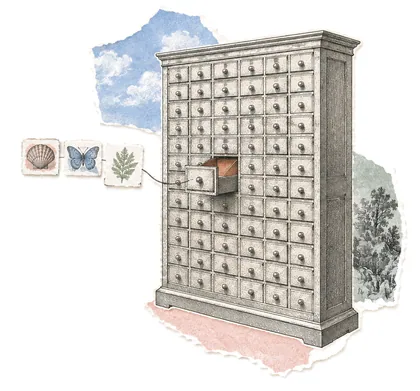 Conditional MemoryA large table looked up by the last few tokens, so the model's weights need not memorise phrases.
 Cross-Layer ReuseLayers reusing each other's work, so a model trains on less compute or decodes with less memory.
Robotics & reinforcement learning12 tasks
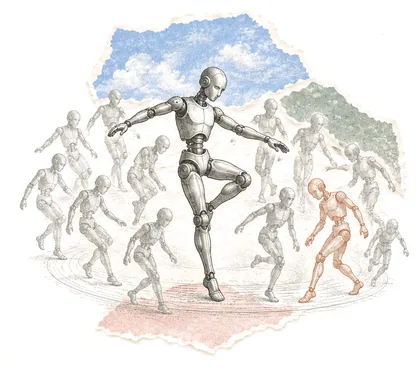 Sampling-Based MPCSteering legged robots by trying sampled plans in simulation at every step: how best to search?
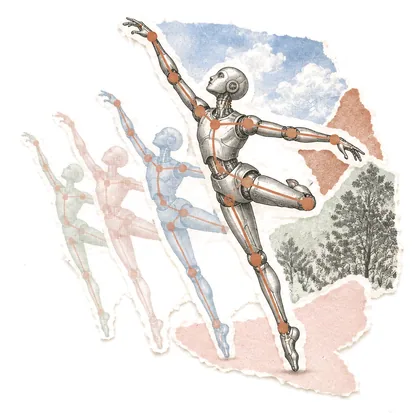 Humanoid Motion TrackingTeaching a humanoid to follow human motion: how fast, and how well, on one GPU?
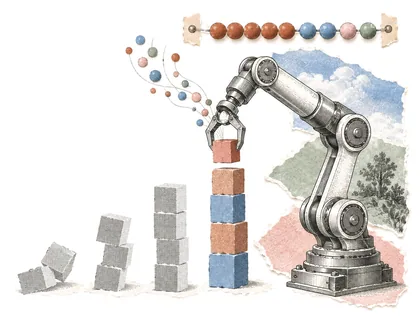 RL for Flow PoliciesWith a fixed budget of online steps, how fast and how far can a flow policy improve?
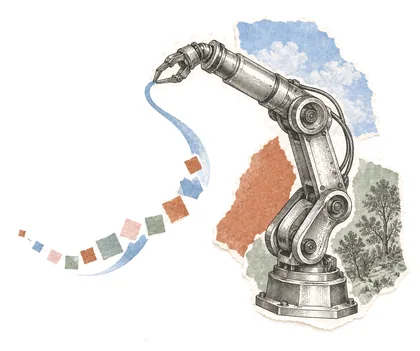 Action TokenizationTurning a robot's future actions into discrete tokens so a language-model policy controls it best.
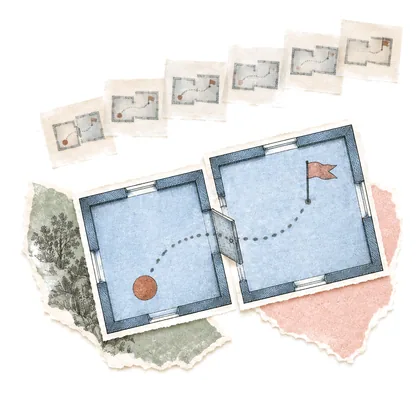 World-Model PlanningSearching a learned world model for the actions that reach a goal, on a fixed budget of model calls.
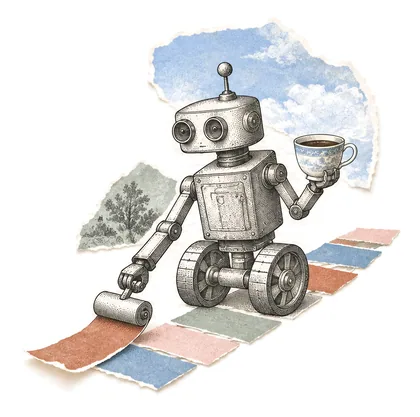 Real-Time Action ChunkingKeeping a robot smooth and successful when each new action plan arrives late, from a stale view.
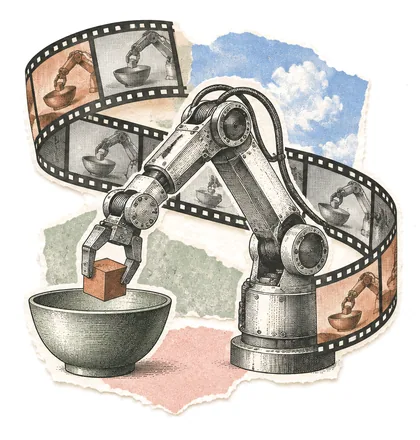 Offline RLLearning the best manipulation policy from narrow logged data, without relying on unseen actions.
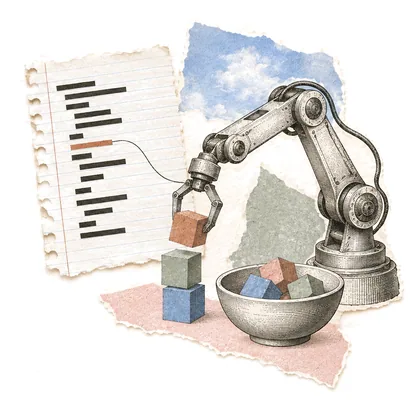 Code-as-PoliciesA language model runs a robot by writing code: when should it look, check its work and rewrite?
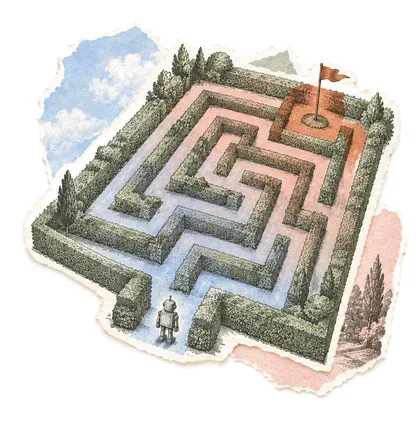 Goal-Conditioned RLLearning from logged trajectories how far any goal is, so a policy can reach distant goals.
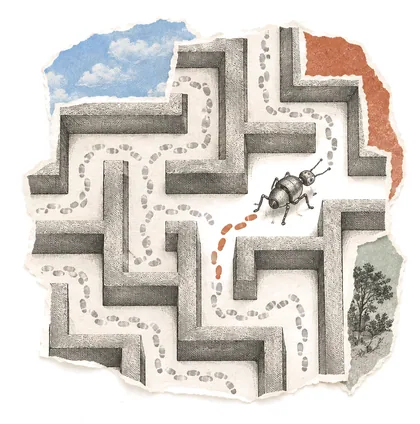 Exploration with Prior DataTurning reward-free records of past behaviour into fast exploration for a new sparse-reward task.
 Sim-to-Sim TransferUsing simulator knowledge in training so a humanoid policy without it transfers and stays robust.
 Multi-Agent RLTraining with the whole team in view, so that agents acting on what each sees alone cooperate best.
ML systems & efficiency6 tasks
 Post-Training QuantizationShrinking a reasoning model to low-bit weights without losing accuracy over long chains of thought.
 Speculative DecodingA small drafter guesses the next tokens from the large model's features: how many will it get right?
 Semi-Structured SparsityPruning a language model to GPU-friendly 2:4 sparsity in one pass, losing as little as possible.
 Self-Speculative DecodingA model drafts with some of its own layers and checks with all: which layers, and how far ahead?
 Video Sparse AttentionMuch faster video generation with no retraining, staying close to the full-attention result.
 Delta-Rule KernelsFast GPU kernels for delta-rule attention prefill, from a few short prompts to large packed batches.
Generative models & vision5 tasks
 Diffusion SolversSampling a diffusion model with only a handful of network calls: how should the solver step?
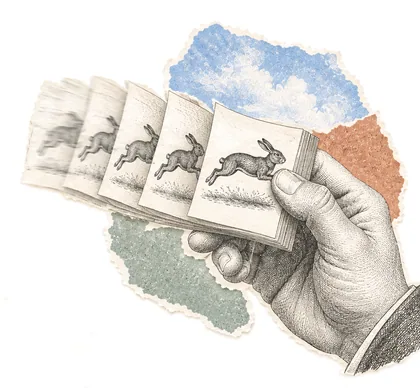 Video Diffusion DistillationDistilling a frame-by-frame video generator so each frame needs only a few denoising steps, or one.
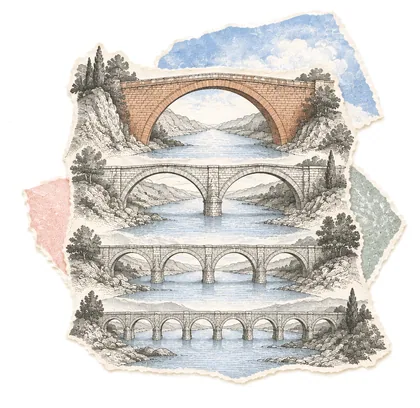 Flow Map TrainingTraining one model to jump between any two noise levels, so it samples well in one step or a few.
 3D Gaussian Splatting DensificationWhere to add, split or remove Gaussians, within a fixed budget, so new views of a scene look right.
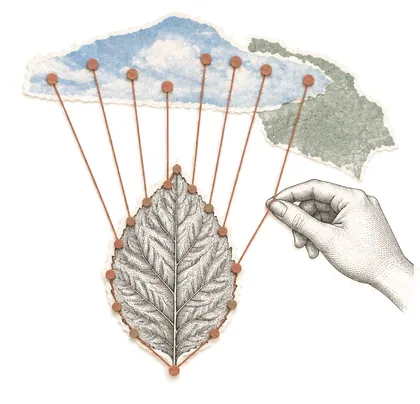 Flow-Matching Probability PathsWhich path from noise to data lets a flow-matching model generate well in only a few steps?
AI for science6 tasks
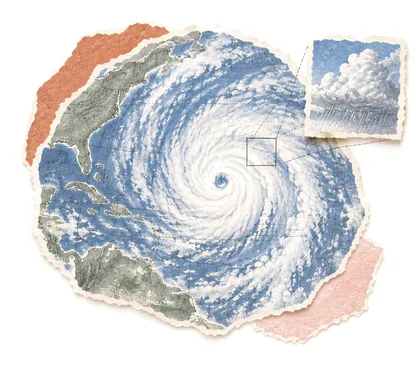 Climate EmulationAn emulator of a climate model's clouds and convection that holds up in warmer, unseen conditions.
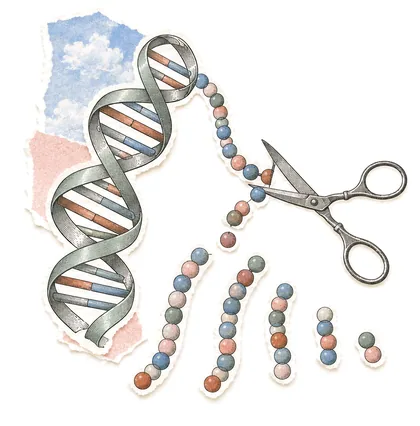 DNA TokenizationHow to turn DNA into tokens, with no word boundaries to go by, so a pretrained model transfers.
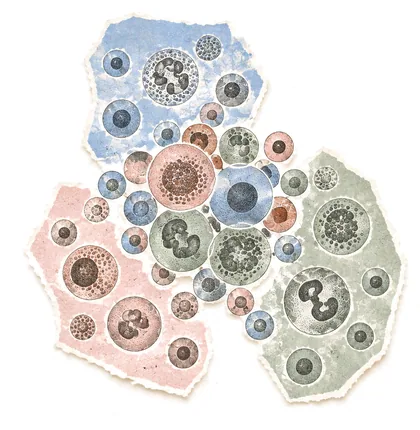 Single-Cell Batch IntegrationAligning cells from different experiments without washing out the biology that sets them apart.
 Genomic Coverage PredictionFrom DNA to an assay's signal at every base: which training objective fits both shape and total?
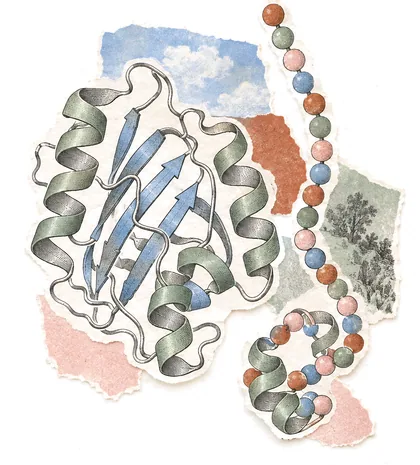 Protein Inverse FoldingFrom a 3D backbone to its sequence: a core step of protein design, on the path to drug discovery.
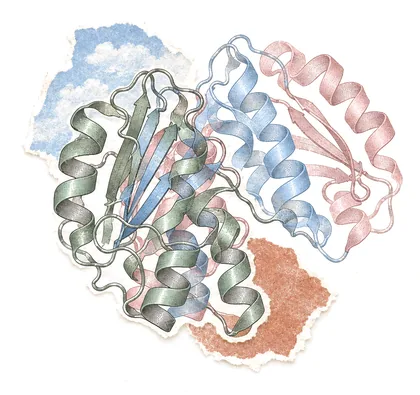 Protein Conformational EnsemblesMany proteins have two shapes: can one model, trained once, find and name both in a new protein?
AI for engineering3 tasks
 Neural OperatorsCan a neural flow solver get airflow, lift and drag right at speeds and angles beyond its training?
 Chip Macro PlacementPlacing a chip's large blocks for the shortest wiring by searching well around a greedy placer.
 Order-Book GenerationGenerating a market's stream of orders so that it reacts to events the way the real market does.
Interpretability, theory & robustness5 tasks
 Hyperparameter TransferCarrying hyperparameters tuned on small models over to much deeper, longer-trained or wider ones.
 Availability PoisoningMaking images unlearnable: tiny per-image changes that leave a model trained on them useless.
 Circuit LocalizationFinding the small circuit and features inside a language model that faithfully explain a behaviour.
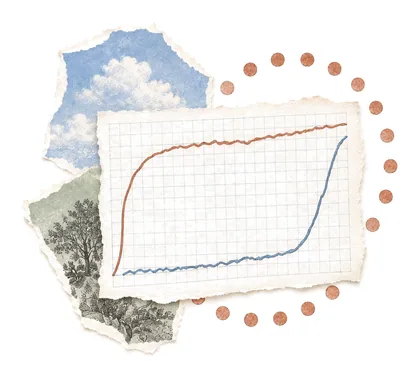 Accelerating GrokkingA network can fit its data long before it generalises: which training rule removes that delay?
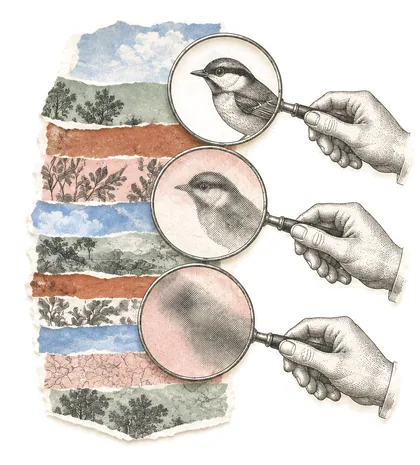 Activation ReadoutTranslating a middle layer of a language model so its own output layer reads it faithfully.
AI agents outperform the human state of the art on nearly every task
On 46 of the 48 tasks, at least one agent developed a method that stands above the best method researchers have published. Each column is a task and each mark an agent. The line is the best published method of that task.
Height: an agent's task score minus that of the best published method of the task, in points out of 100. The scale is the same in every column and tightens away from the line. Tasks are ordered by the lead of their best agent.
But mostly recombined or tuned from existing methods
The agents' methods show breadth more than depth. They integrate techniques from across the literature, often from neighbouring fields and often skilfully, and seldom begin from a diagnosis of why the existing methods fall short. The largest leads rest on new core ideas that no published method has.
All tasks still leave ample headroom
Every task leaves room far above today's methods, published or developed by agents. FantasticML will be maintained as an open, living benchmark that tracks progress on each research question.